
Thinking deep and slow
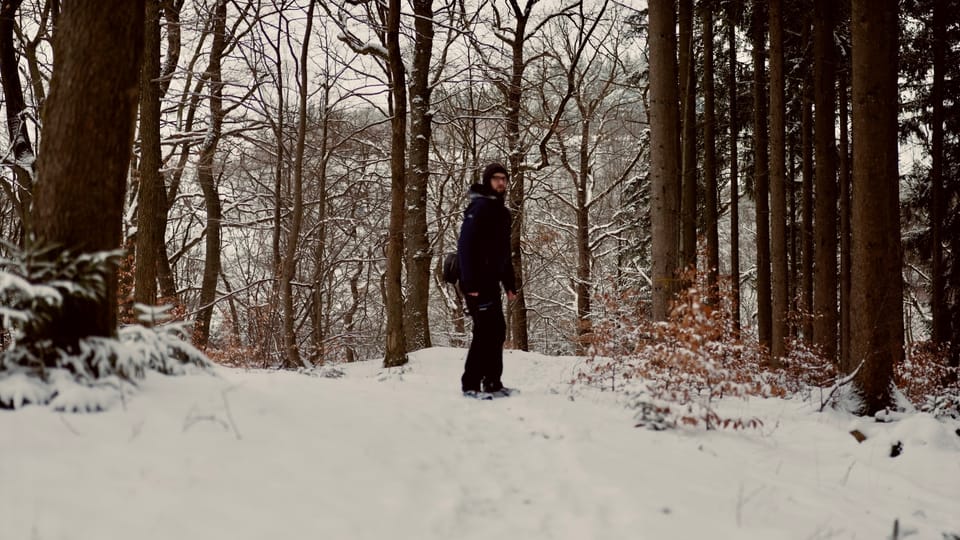
At the start of a year we usually talk about focus. What we want to work on. What we want to pay attention to. What we want to get better at. But the list is rarely the problem. The problem is the s**t we quietly pretend we can do alongside it.
Over my 44 increasingly grizzled years, my attention is shaped less by what I am attracted to and more by what I refuse to look at. You might think of it as deliberate inattention. It's a refusal to stay available to everything all the time.
This year, that has led me to organise my work into two modes of attention: deep projects and slow projects. Not work versus creativity. Not serious versus playful. Just two different ways of committing to things. One asks for focus and limits. The other asks for time and patience. Both require saying no, like, a lot.
Here's what remains once I stop pretending I can read everything, do everything, and be everything to everyone all at once.
Deep Projects
(These are my commitments that ask for sustained focus and clear decisions. They benefit from limits, deadlines, and accountability to other people. They go deep not because they are intense all the time, but because they are not diluted).
- Strategic advising and coaching. I’ve taken up a new fractional executive role at Report For The World. I’ve been supporting Preethi and the team there for over a year and I’m glad to deepen that engagement. I’m pressing pause on all other coaching and advisory engagements to give it my full focus, with the hope that it increases my impact in this space (and, being honest, gives me a greater sense of purpose about my work).
- Theory of Change. My newsletter of sharp reframes and tiny experiments, designed to help folks “build a purpose-driven organisation funders trust, teams love, and communities actually need” (to quote my own website) will continue, but with reduced frequency and increased depth i.e. fortnightly, not weekly. Half as many newsletters, twice as much impact. (The first one of 2026 was about the pros and cons of different approaches to planning your year).
Slow projects
(These are commitments that need time more than pressure. They benefit from patience, repetition, and the freedom to change shape. They go slow not because they are casual, but because they resist being rushed).
- YouTube. This is the project where I am most consciously practising deliberate uncertainty. Part of me wants to make a small number of complex, carefully made films, the kind that take time to think, write, and shoot. Another part of me wonders whether a looser, more informal approach would be healthier, and perhaps more honest. For the moment, I am refusing to resolve that tension too quickly. I am not optimising for growth, cadence, or reach. I am trying to pay attention to how different modes of making actually feel over time, and what they return in energy rather than metrics.
- Writing. I’ve been invited to write and perform a new piece of writing at Power of Storytelling in Bucharest in March. Longtime readers may remember my IVF story Monster. I’ll be extending this into a three-part piece of narrative non-fiction (borrowing, nay stealing, a Radiolab -like structure). I'm nervous - I need a lot of time between drafts to figure out what I actually want to say.
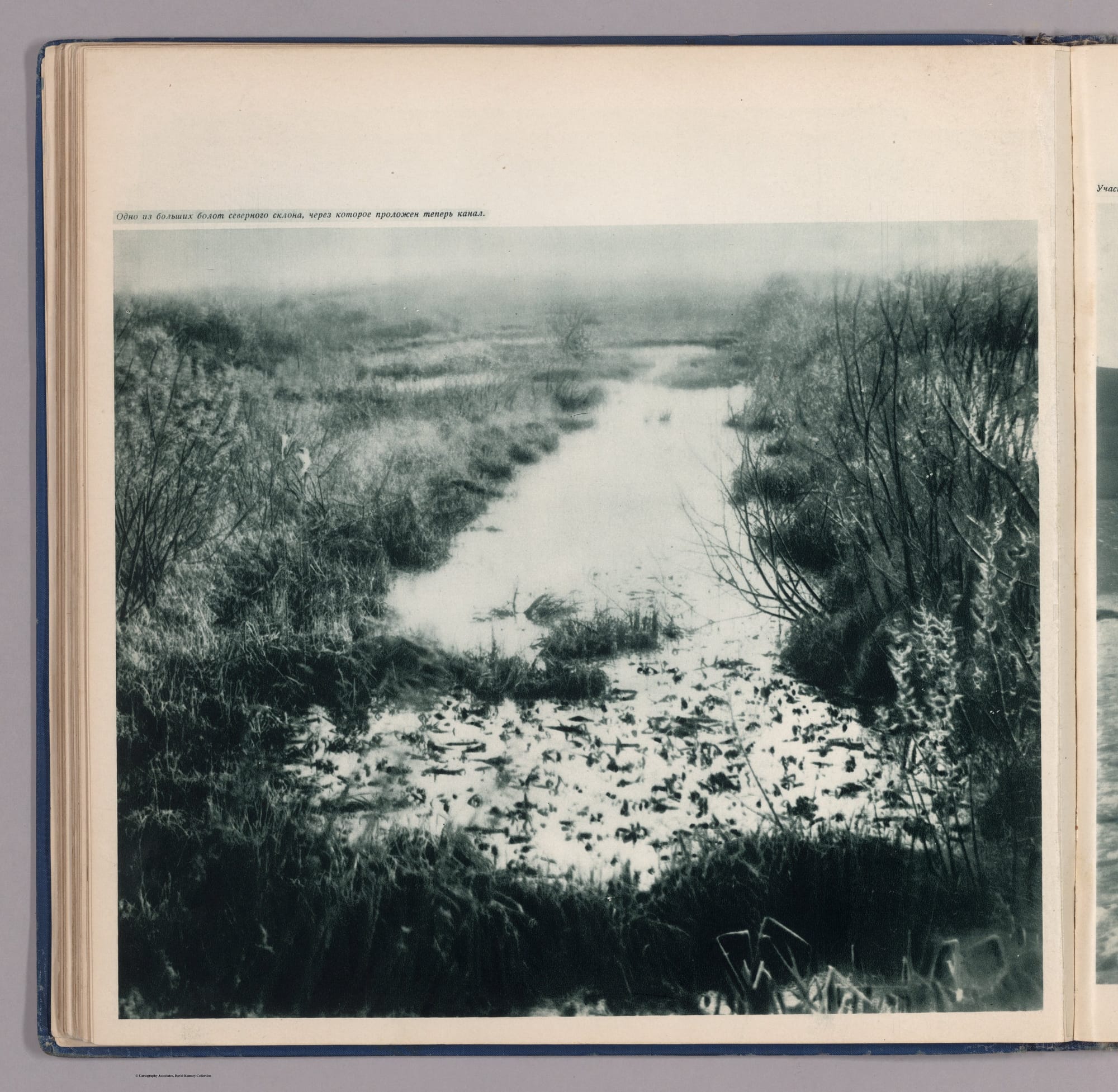
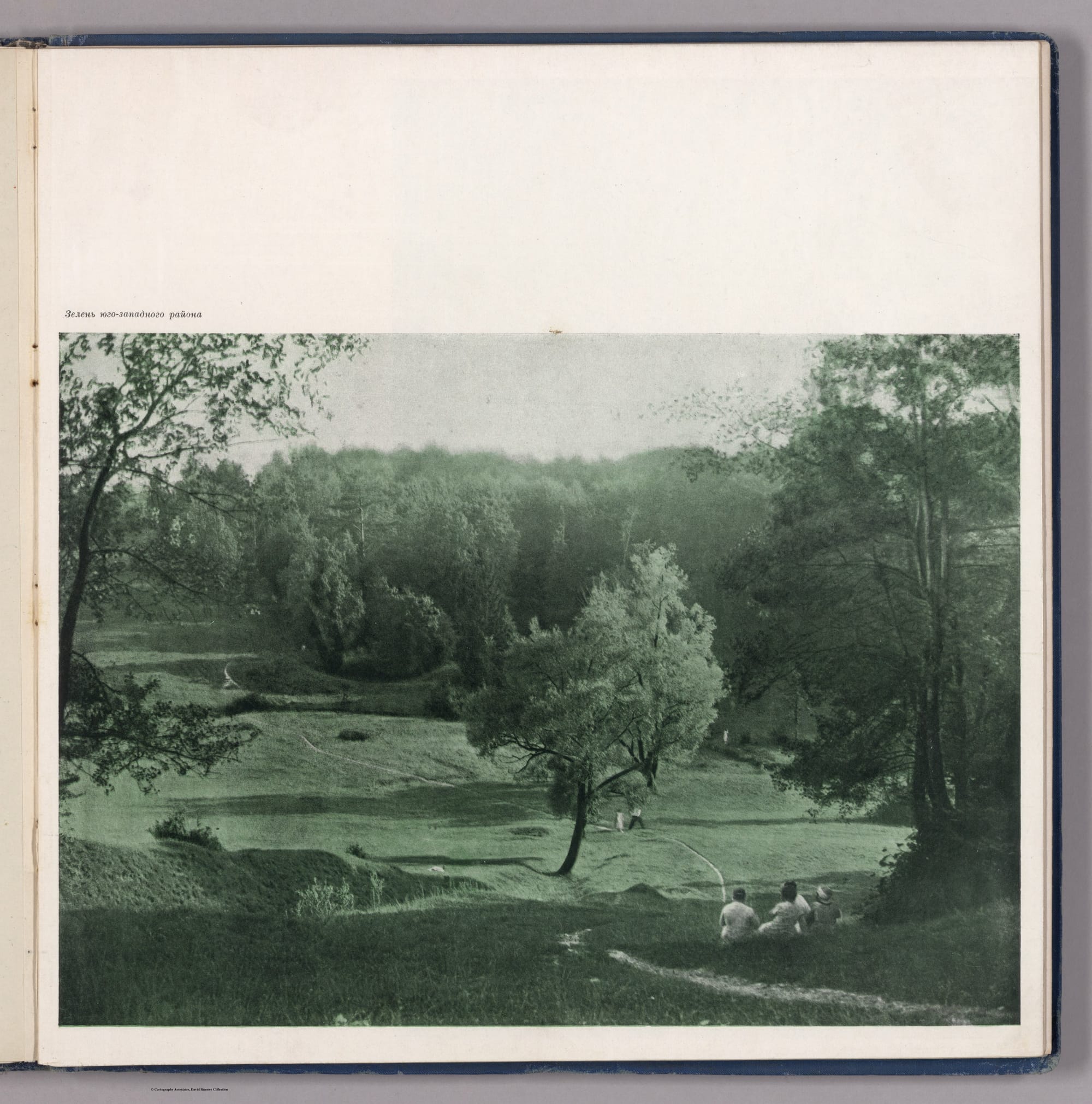
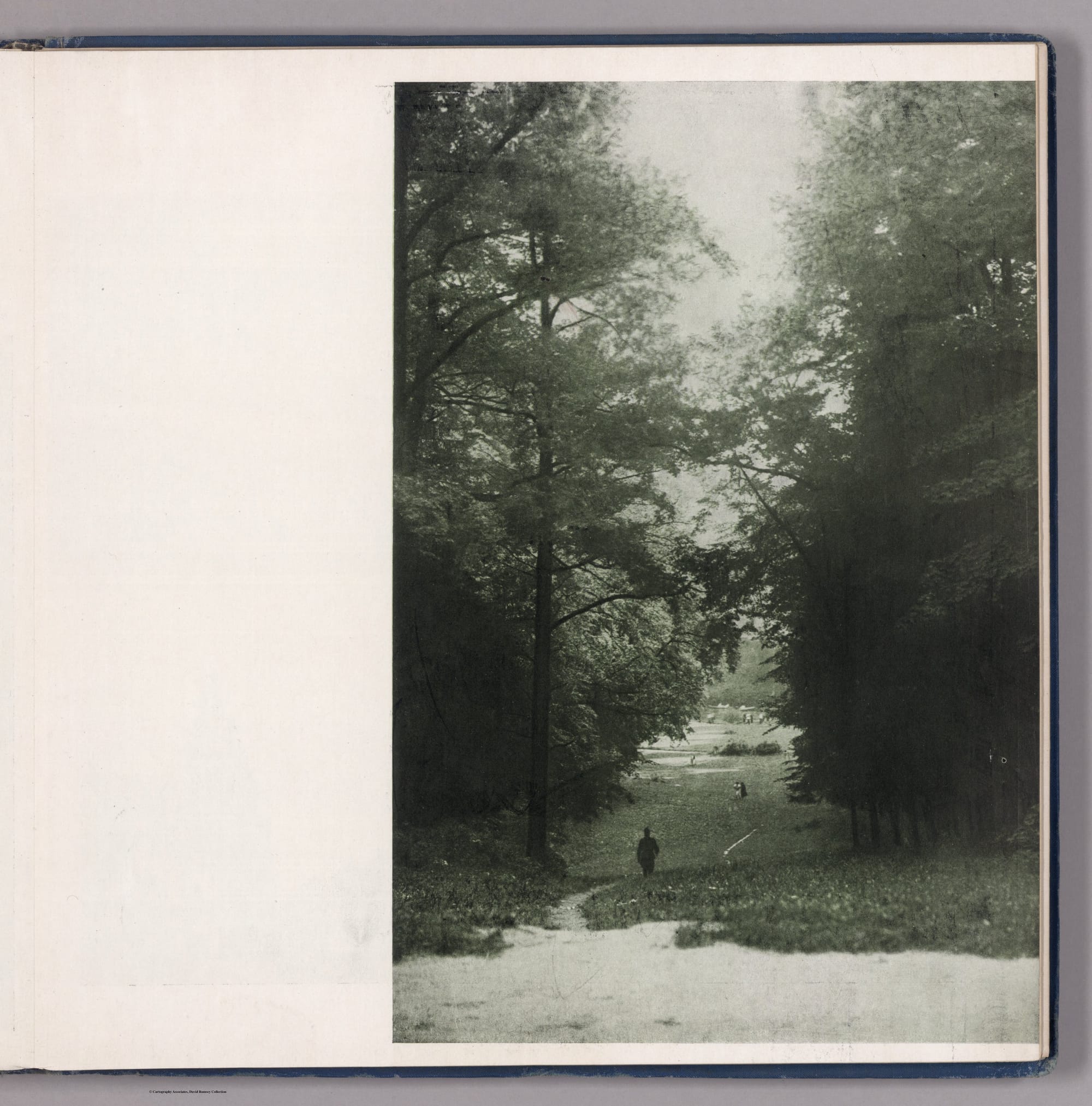
- Music. A quick audit of my hard drive revealed that I’ve three Preslav Literary School EPs in relatively advanced states of completion. I’d like to release them this year, but without rushing them into shape. I’ve started on the artwork already because I find this to be a great way to sharpen the aesthetic and colour of the production and mixing. These scans of Russian textbooks will surely find their way into the art somehow.
Space protectors
- Keeping a commonplace book. This (somewhat weirdly) creates time, by helping me remember, link, and explain my thinking and emotional processes.
- Replacing AI, before it replaces me. I'm enjoying IA Writer as a tool to support this. I've increasingly found that in some areas AI is a time-saver, but only where it helps me get from idea to execution quicker. For expansive, slow thinking and proper writing, it's not a shortcut but a torturous detour and I'm done with it.
- Not speaking unless spoken to on LinkedIn and other social platforms. I've experienced diminishing returns there, and I'm just bored of soullessly grifting in order to benefit someone else's billion-dollar profit margin.
Beyond all this I hope to run trails where possible (age, injury, and snow have made that tricky in January), spend time taking photos with my Lumix S9, read more trashy airport thrillers, rewild our tiny pond, build inordinate amounts of Duplo and Lego spaceships with my son, research VW Transporter 6.1s ahead of a possible purchase, and dedicate time to volunteering at my local kindergarten.
If any of this has been of interest, I made a video over on YouTube about my planning process in 2026 that you might find useful. Why is January the worst month to start the year? Why are resolutions a terrible motivator? Why do I use "directions of travel" rather than goals? Head over and find out!
Thanks for being here. I sincerely hope 2026 goes well for you, no matter how much planning you did or didn't do!
Best, Adam